At Mt Hutt Digital, we recently partnered with a major Tier 1 civil construction and infrastructure contractor operating across Australia and New Zealand, employing more than 10,000 people, to design and develop a next-generation environmental learning solution that could be delivered consistently across a large and geographically dispersed workforce.
The result was an innovative blended learning programme that combines digital content, facilitator-led activities, collaborative discussions, and practical workplace scenarios into a flexible learning experience that can be delivered in the classroom, online, or through a combination of both.
Rethinking Environmental Training
Traditional environmental training often relies heavily on presentations, policies, and compliance requirements. While these elements are important, they do not always drive meaningful behaviour change.
The client wanted a solution that would help employees understand not only what they are required to do, but why environmental protection matters and how their day-to-day decisions can influence outcomes on site.
With employees working across diverse operational environments, the programme also needed to be highly adaptable while maintaining a consistent learning experience regardless of how or where it was delivered.
A Blended Learning Solution Designed for Flexibility
Mt Hutt Digital designed a modern blended learning ecosystem that gives facilitators the flexibility to deliver the programme in multiple ways.
The solution combines:
- Interactive digital learning modules
- Facilitator-led workshops
- Group discussions and problem-solving activities
- Scenario-based learning
- Practical environmental exercises
- Visual learning aids and interactive resources
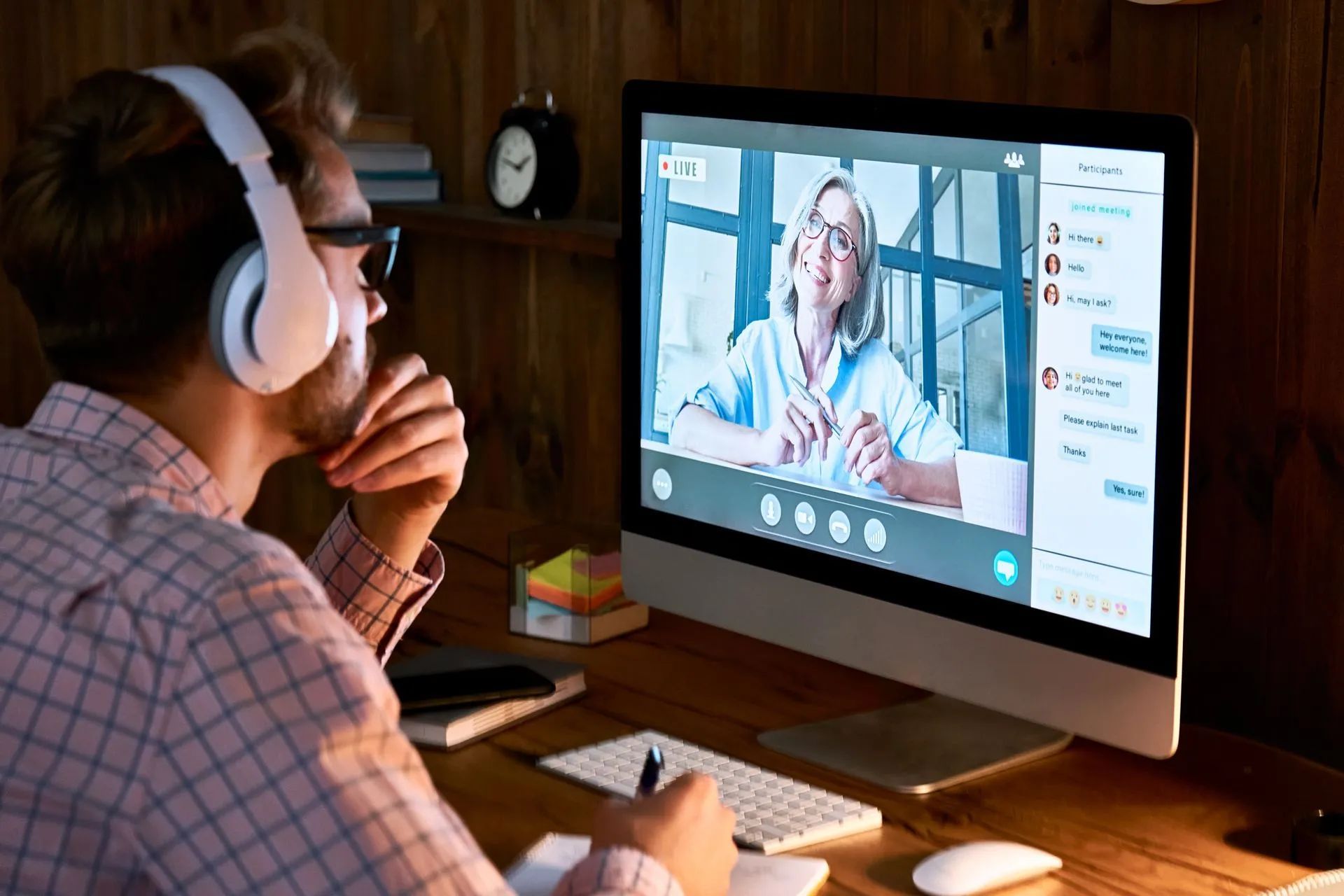
This approach enables organisations to deliver training in a traditional classroom setting, virtually through online workshops, or through a hybrid model that combines both delivery methods.
The flexibility of the format means the learning can be adapted to different teams, locations, projects, and operational requirements without compromising the quality or consistency of the experience.
Bringing Environmental Risks to Life
One of the key design principles was ensuring learners could see the connection between everyday site activities and environmental outcomes.
Rather than relying solely on compliance messages, the programme uses practical workplace examples and collaborative learning activities to encourage discussion and critical thinking.
Learners explore topics such as:
- Waterway protection
- Erosion and sediment control
- Hazardous substances management
- Waste management
- Biodiversity protection
- Community impacts
- Soil contamination
- Heritage and cultural considerations
- Sustainability and resource efficiency
Through interactive activities, learners work together to identify risks, assess impacts, discuss consequences, and explore practical ways to prevent environmental incidents before they occur.
Learning Through Real-World Scenarios
A defining feature of the programme is its focus on workplace application.
Facilitated activities place learners in realistic situations that mirror the challenges they encounter on site every day. Teams discuss environmental incidents, explore potential responses, and work collaboratively to identify the most appropriate course of action.
From spill response exercises through to environmental compliance scenarios and consequence-based discussions, learners are actively involved throughout the programme rather than simply consuming information.
This interactive approach encourages knowledge sharing, strengthens understanding, and helps build confidence in making environmentally responsible decisions.
Enabling Consistent Delivery at Scale
For organisations operating across multiple regions, maintaining consistency can be a significant challenge.
To support successful rollout, Mt Hutt Digital developed a suite of facilitator resources, visual learning aids, workshop guides, and supporting materials that enable trainers to confidently deliver engaging and impactful sessions.
Whether delivered online or face-to-face, facilitators have access to the same high-quality resources, ensuring key environmental messages remain consistent across the business.
The Future of Workforce Learning
This project demonstrates how learning solutions can evolve beyond traditional eLearning and classroom training.
By combining digital learning assets with facilitated discussions, interactive activities, and practical workplace scenarios, organisations can create learning experiences that are engaging, memorable, and focused on real-world outcomes.
For industries where environmental responsibility is critical, effective learning is about more than compliance. It is about building capability, changing behaviours, and empowering employees to make better decisions every day.
At Mt Hutt Digital, we specialise in creating blended learning solutions that help organisations tackle complex topics through engaging, learner-centred experiences. Whether delivered online, in person, or through a hybrid approach, our goal is always the same: to create learning that drives meaningful and lasting change.